
Your Inspection

Helping You Understand the Condition of Your Home Before You Buy, Sell, or Maintain It

Professional Home Inspection Services You Can Trust

Whether you’re buying a home, preparing to sell your property, or simply keeping up with regular home maintenance, Blueprint Home Inspections delivers reliable, high-quality service from your very first call. Our certified home inspectors are dedicated to providing a thorough and educational experience.

We follow the Standards of Practice set by InterNACHI, a trusted leader in the home inspection industry. During your home inspection, we assess all major systems and components, identifying issues that may require immediate attention and noting any signs of deferred maintenance.

After the walkthrough, we’ll review the home’s overall condition with you and your real estate agent, discussing any significant findings in plain language. You’ll receive a detailed, easy-to-understand home inspection report, delivered in both HTML and PDF formats, complete with photos and descriptions of everything we covered. Not only does this report give you a clear, visual summary of the home, but it also empowers you to make informed and confident decisions.

Frequently Asked Questions

I encourage you to join me during your inspection. Walking through the property together gives me the chance to show you everything you need to know about your home. Feel free to ask questions or raise concerns at any time during the process.

My goal is to ensure you’re completely satisfied with the inspection. I’ll work for you until all your questions are answered. To ensure your confidence, payment is only due after the inspection is completed to your satisfaction.

Choosing the right home inspector is an important decision. Unlike most professionals, you likely won’t meet me until the inspection appointment. Inspectors vary in qualifications, experience, equipment, and pricing, but the quality of your home inspection ultimately depends on the inspector’s dedication.

If you choose me to inspect your new home, I promise to give you my very best effort. Your trust in me is an honor, and I am committed to providing a thorough and professional inspection.

This is my promise to you.

To get the most out of your inspection, it’s important to review these materials:

  1. Standards of Practice: Familiarize yourself with the Home Inspection Standards of Practice to understand what is covered during the inspection.
  2. Code of Ethics: Review the Code of Ethics to learn about the professional standards I follow.
  3. Inspection Agreement: Read and sign the inspection agreement before we begin. This outlines the scope of the inspection.
  4. Inspection Report: Go through the full inspection report, not just the summary, to get a complete understanding of the findings.
  5. Home Maintenance Book: I’ll provide you with an InterNACHI® Home Maintenance Book at the end of the inspection, which includes valuable tips on maintaining and repairing your home.

Taking the time to review these resources will help you feel informed and confident about your inspection and your property.

A home inspector’s main responsibility is to evaluate and report on the condition of a home as it was on the day of the inspection. The inspector is a generalist, not a specialist, and the report is based on observations made during the inspection.

It’s important for homeowners to understand that homes naturally wear out over time. Parts of the home may break, leak, or stop working, and a home inspection does not predict these future events. Inspections also do not include warranties or guarantees that no issues will arise after the inspection.

The inspection focuses on identifying material defects that are visible at the time of the inspection. While thorough, the process may not reveal every issue that exists or could develop in the future. Ultimately, ongoing maintenance and repairs are the homeowner’s responsibility.

I provide the information you need to fully understand your home’s condition. By explaining how your home works, how to maintain it, and how to improve its efficiency, I empower you to make the best decisions for your future.

Buying a home can be stressful, and a home inspection is meant to provide peace of mind—not add to the pressure. During the inspection, you’ll receive a lot of information, including a written report, photographs, and comments from the inspector. It’s important to focus on the findings that truly matter and keep things in perspective.

The most critical issues typically fall into four categories:

  1. Major defects, such as structural failures.
  2. Conditions that could lead to major defects, like a small roof-flashing leak.
  3. Issues that may impact financing, occupancy, or insurance, such as improper permits.
  4. Safety hazards, such as exposed wiring or live electrical components.

While it’s important to address these issues, many can be resolved cost-effectively, especially those in categories 2 and 4. Remember, most inspection findings will involve minor imperfections, maintenance recommendations, or life expectancies of systems and components—useful but not deal-breaking.

Most sellers are honest and may not even be aware of certain defects. However, they are not obligated to fix everything in the report. Focus on the significant findings and avoid nit-picky demands or deferred maintenance issues already disclosed by the seller. No home is perfect, so keeping a balanced perspective can help you make the best decision without unnecessary stress.

Absolutely. My commitment to my clients doesn’t end when the inspection does. I make myself available to answer questions, provide advice, and offer guidance whenever you need it.

I use advanced tools like thermal imaging cameras, moisture meters, GFCI and AFCI testers, and drones to uncover hidden issues. These tools help me identify problems that aren’t visible during a standard inspection, ensuring no detail is overlooked.


My report is clear, concise, and easy to understand. It includes a summary of key findings, photos, and actionable recommendations. You’ll also receive a 100-page home maintenance book filled with repair tips, seasonal checklists, and advice on spotting potential issues early.

We inspect everything listed in the Home Inspection Standards of Practice, which is available by visiting www.nachi.org/sop.

I Am a Certified Professional Inspector CPI®

I am a member of InterNACHI®, the world’s leading organization of certified inspectors. I am a Certified Professional Inspector CPI®. I take 24 hours of Continuing Education every year to maintain my certification as a home inspector. I am certified in numerous other types of inspections.

I focus on delivering high-value inspections that help you feel confident about your investment. My commitment is to provide thorough, reliable insights every step of the way.

My clients aren’t just customers—they’re my neighbors. I take pride in building lasting relationships, offering ongoing support, and being available to help whenever you encounter a problem with your property.

5 Benefits of a Home Inspection

Negotiations Leveraged

Buyers can use the inspection report to negotiate a better price or ask for repairs, while sellers can choose to address issues before listing to justify their asking price.

Ensures Your Safety

A home inspection evaluates critical safety concerns such as electrical hazards, carbon monoxide risks, mold, and structural integrity.

Prepares You For the Future

We can point out components near the end of their lifespan (such as HVAC systems or water heaters) so you can budget accordingly.

Garners Trust

Sellers who conduct pre-listing inspections can show transparency and build buyer trust, potentially leading to quicker offers and smoother negotiations.

Grants Peace of Mind

Knowing the condition of the home helps you feel confident in your purchase or sale and reduces surprises after the transaction.

Other Inspectors

Blueprint Home Inspections

Report Delivery
3-5 Days
24 Hours
Report Technology
Messy Paper Reports
Online Reporting
Experience
Variable & Unreliable
25 Years Construction
Thermal Imaging
Additional Add-On
Free With Inspection

What's Included in a Home Inspection?

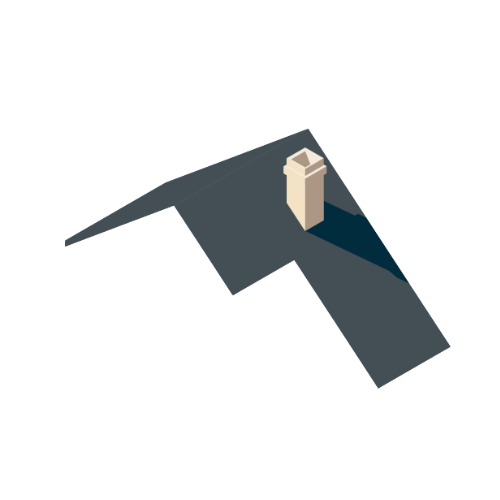
Roof

Roof coverings, gutters, downspouts, vents, flashing, skylights, chimney, roof penetrations and the general structure of the roof.
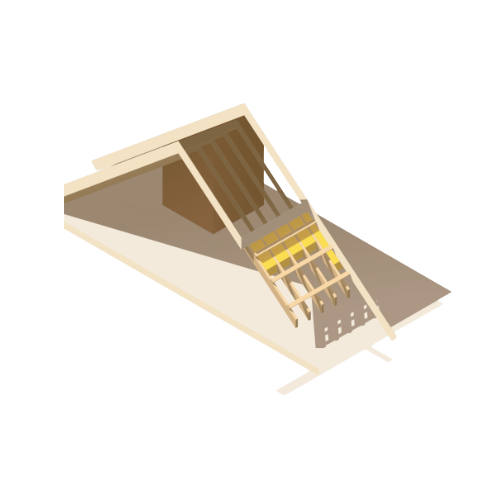
Attic, Insulation, Ventilation

Insulation and ventilation of unfinished spaces, including attics, crawl spaces, foundation areas and exhaust systems.
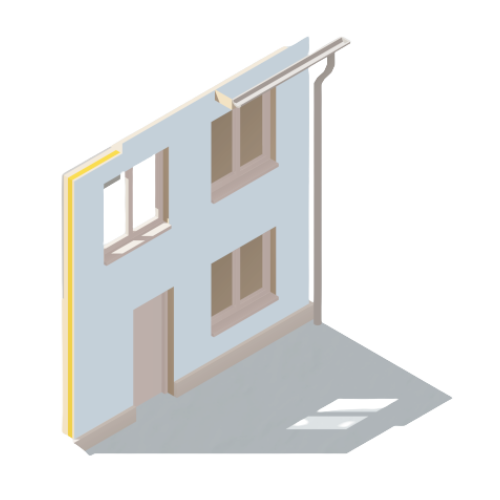
Exterior

Siding, windows, exterior doors, flashing & trim, walkways, driveways, stairs, patios & decks, and drainage.
Basement, Foundation, Crawlspace, Structure

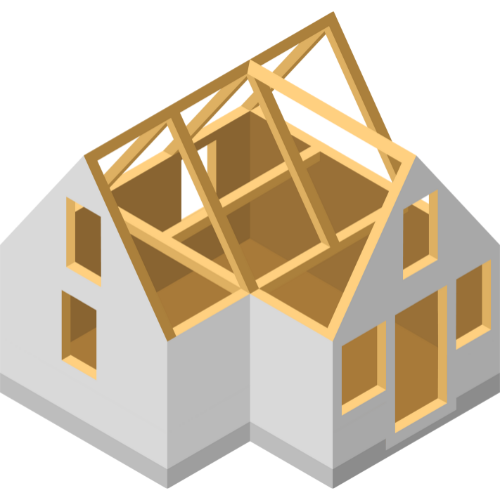
Foundation movement, cracks, structural concerns, and indication of water penetration.

Cooling

Cooling system, location of thermostat, energy source and cooling method.
Heating

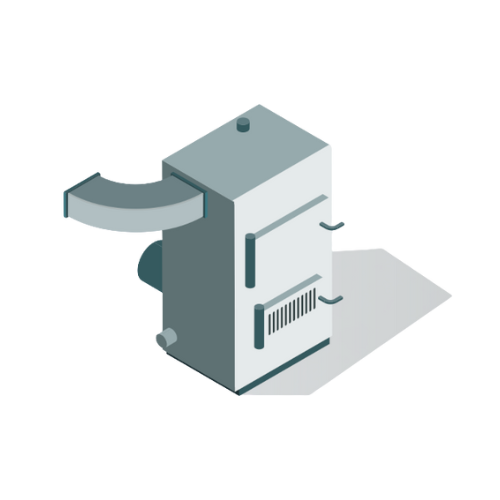
Heating system, location of thermostat, energy source and heating method.
Fireplace

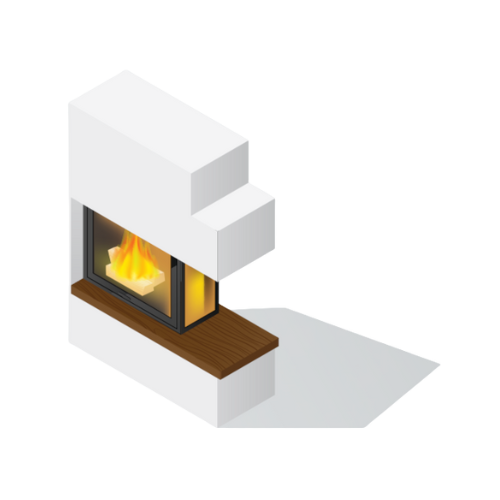
Visible portions of the fireplace & chimneys, lintels, damper doors, and cleanout doors & frames.
Plumbing

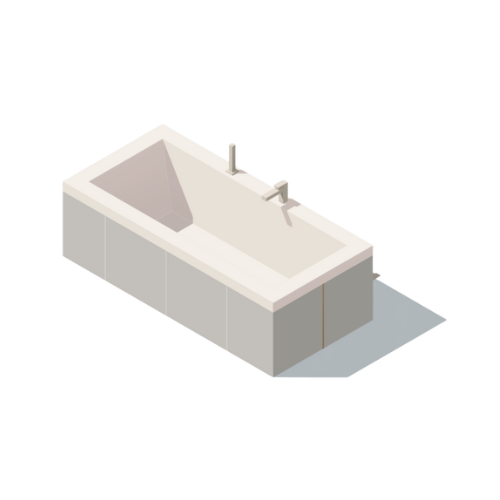
Main water & fuel supply shut-off valves, water heater, interior water supply, toilets, sinks, tubs, showers, drain, waste and vent systems.
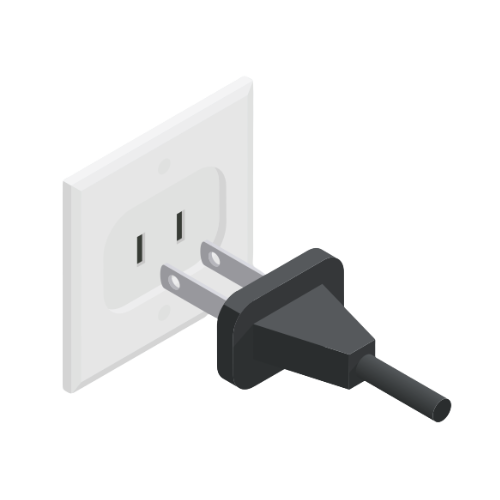
Electrical

Service drop, overhead service conductors, service head & mast, main service disconnect, panelboards, grounding, switches, light fixtures, receptacles deemed to be AFCI & GFCI, and the presence of smoke alarms & carbon monoxide detectors.
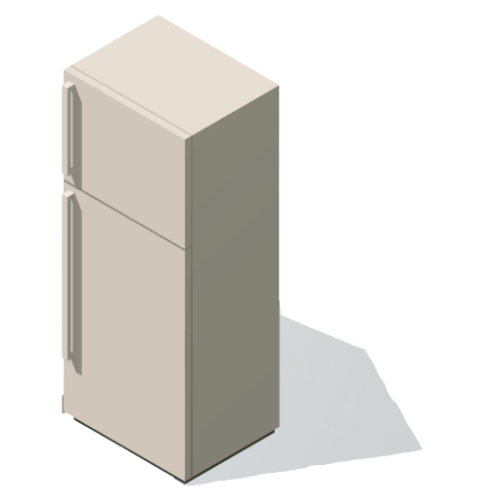
Appliances

Dishwasher, disposal, range, oven, microwave, refrigerator, exhaust, bathroom heater, garage door, doorbell, and dryer vent
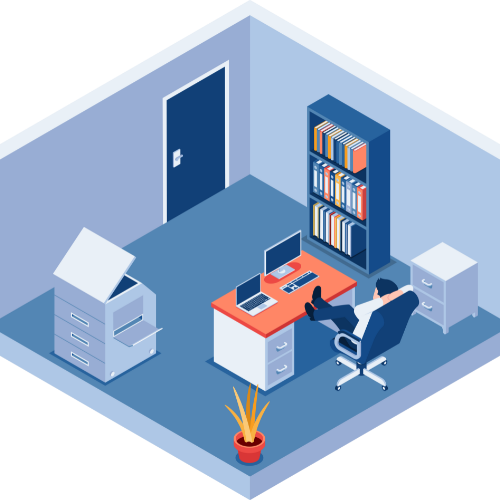
Doors, Windows, Interior

Representative number of doors & windows, floors, walls, ceilings, stairs, railings, garage door and openers.

© Copyright 2026 Spectora Inc.